When Death Becomes a Resource: Reflections on Assisted Dying and Organ Donation in Canada

“Choose life, then, that you and your descendants may live.” — Deuteronomy 30:19

Canada has reached a moral crossroads. What began as legislation to end “unbearable suffering” through assisted suicide is now being intertwined with organ donation — turning death itself into a supply chain for the living.
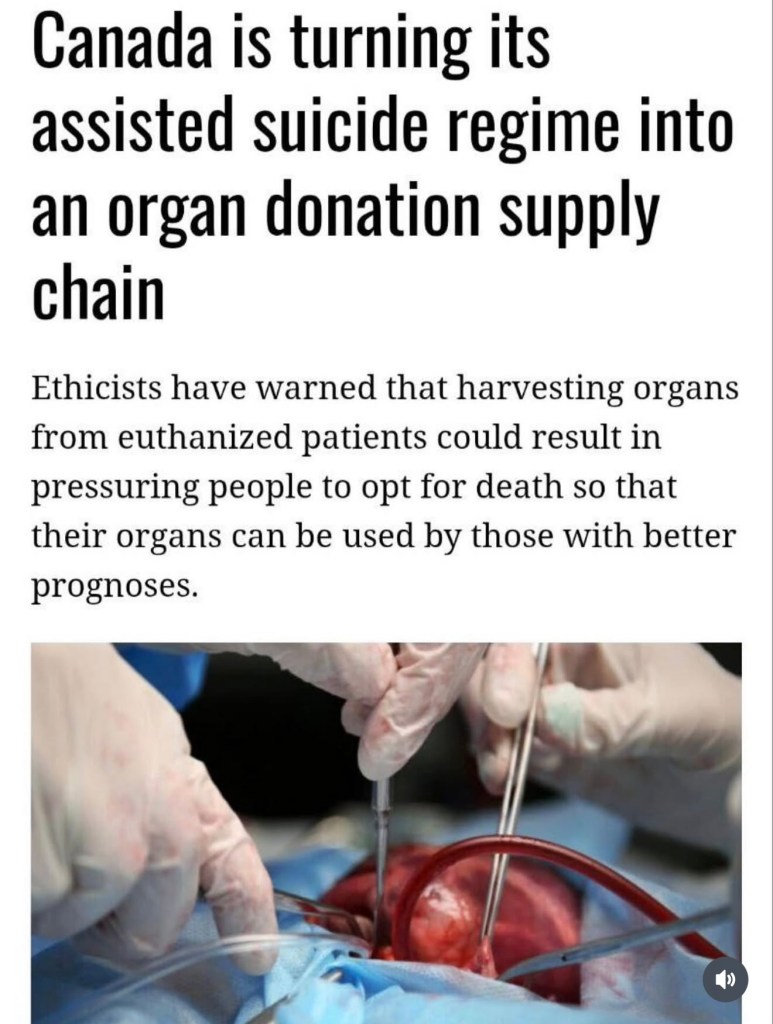
Across the country, more Canadians who choose Medical Assistance in Dying (MAiD) are also donating their organs. According to national transplant data, Canada now leads the world in organ donations that follow euthanasia. Quebec alone has reported that up to 8 percent of its total organ donors in recent years were euthanized patients.

At first glance, this may sound noble — the idea that one person’s death could give life to another. But beneath the surface lies a deeply troubling ethical and spiritual reality.


When “Choice” Becomes Pressure

Proponents of MAiD argue that this practice simply extends autonomy: if someone freely chooses death, why not allow their final act to help others? But autonomy, when distorted by despair or social expectation, becomes something else entirely.

What happens when the sick, the disabled, or the elderly begin to feel a quiet pressure — that their death would be “useful,” that their organs might “do more good” in someone else’s body than their life could in their own frailty?

This is not freedom. It’s moral coercion wrapped in compassion’s clothing. It’s the voice of the culture of death whispering, “You’re worth more dead than alive.”


A Dangerous Reversal of Values

When society begins to view death as a public service and the body as a commodity, we invert the sacred order God established. Human life ceases to be a divine gift and becomes a utilitarian calculation — a trade between those deemed “productive” and those deemed “expendable.”

From a Christian perspective, every person bears the image of God from conception until natural death. The commandment “Thou shalt not kill” does not come with an asterisk for convenience or compassion. To end life deliberately, even with consent, and then to harvest organs from that act, crosses a line that cannot be easily uncrossed.


The Slippery Slope Has Become a Highway

When MAiD was first introduced in 2016, it was meant for terminally ill adults whose deaths were “reasonably foreseeable.” By 2021, Bill C-7 expanded it to those whose deaths were not imminent. Now, legislators are debating whether those with mental illness should also qualify.

With each expansion, the rationale widens — and so does the pool of potential organ donors. What began as a tragic exception is fast becoming a normalized pathway, and that normalization threatens the conscience of an entire nation.


The Forgotten Option: Accompaniment, Not Abandonment

Many who request euthanasia are not crying for death; they are crying for help — for relief from pain, loneliness, or fear. True compassion does not eliminate the sufferer; it accompanies them through their suffering.
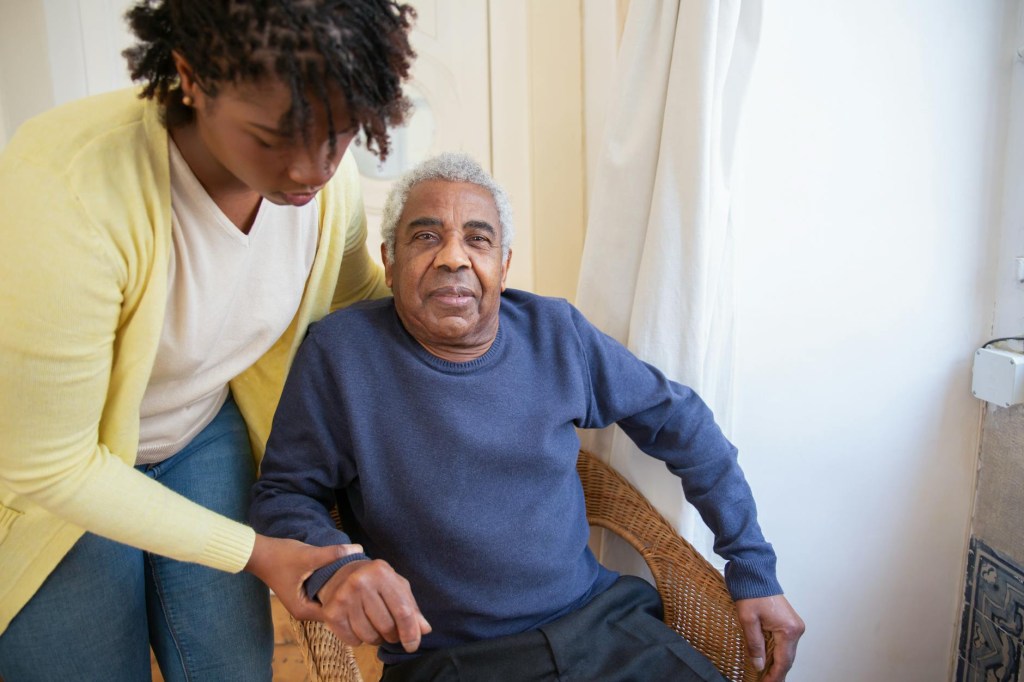
In every hospice room, hospital bed, or nursing home, there lies a sacred opportunity: to affirm the dignity of the person, to provide palliative care, to pray, and to witness to the love of Christ who meets us in our agony.

If Canada invested as heavily in palliative care as it has in expanding assisted suicide, how many hearts might rediscover hope?


A Call to the Faithful

This moment demands courage from the Church. We must be willing to speak truth with love — not out of judgment, but out of fidelity to the Gospel of Life.

  • Educate your parish and community about the moral implications of MAiD and organ harvesting.
  • Advocate for life-affirming care and ethical medical policy.
  • Accompany the suffering with compassion, prayer, and presence.
  • Proclaim that every breath of life — even in suffering — has infinite worth before God.

Redeeming the Narrative

Organ donation, when freely chosen after natural death, is a profound act of love. But when it is tethered to a system that deliberately ends life, it becomes something else — a transaction born of despair, not hope.

The real measure of a compassionate society is not how efficiently it manages death, but how faithfully it upholds life.

May Canada remember the words of Our Lord: “Whatever you did for one of the least of these brothers and sisters of mine, you did for me.” (Matthew 25:40)

And may we, as people of faith, never grow silent when life itself is on the line.


Citations:

  • Catholic News Agency, “Euthanasia Increases Organ Donations in Canada Amid Ethical Concerns”
  • National Post, “Ethicists Warn Organ Donation May Pressure MAiD Patients”
  • Lifesite News, “Canada’s Organ Donation System Now Linked to Euthanasia”
  • Journal of the American Transplantation Society (2024): Organ Procurement After MAiD

About the Author

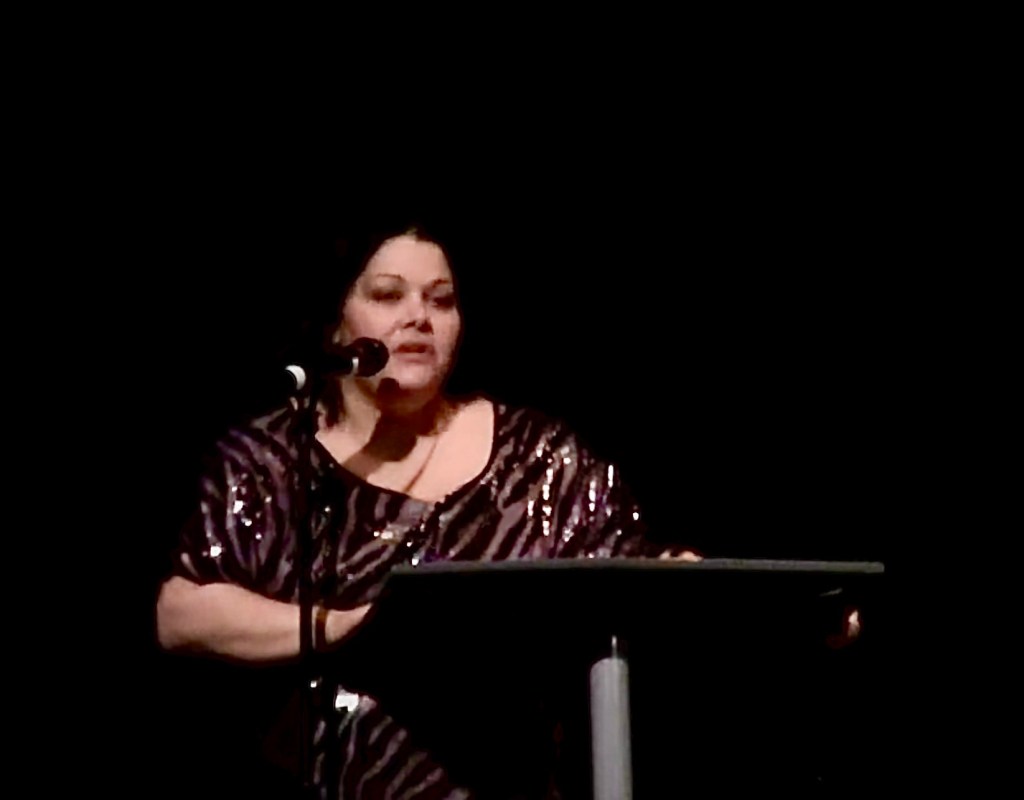
Elizabeth Sutcliffe is a Catholic speaker, post-abortive advocate, and pro-life educator. Through her ministry, Elizabeth Speaks Truth, she shares her testimony of healing and hope after abortion, offering a compassionate message rooted in faith, mercy, and the sanctity of every human life. Elizabeth has spoken to thousands across Canada and the United States, inspiring audiences to choose life, rediscover faith, and find healing in Christ.

Connect with Elizabeth and explore her socials, latest talks, workshops, videos, and podcast episodes through her Linktree:
👉 linktr.ee/ElizabethSpeaksTruth
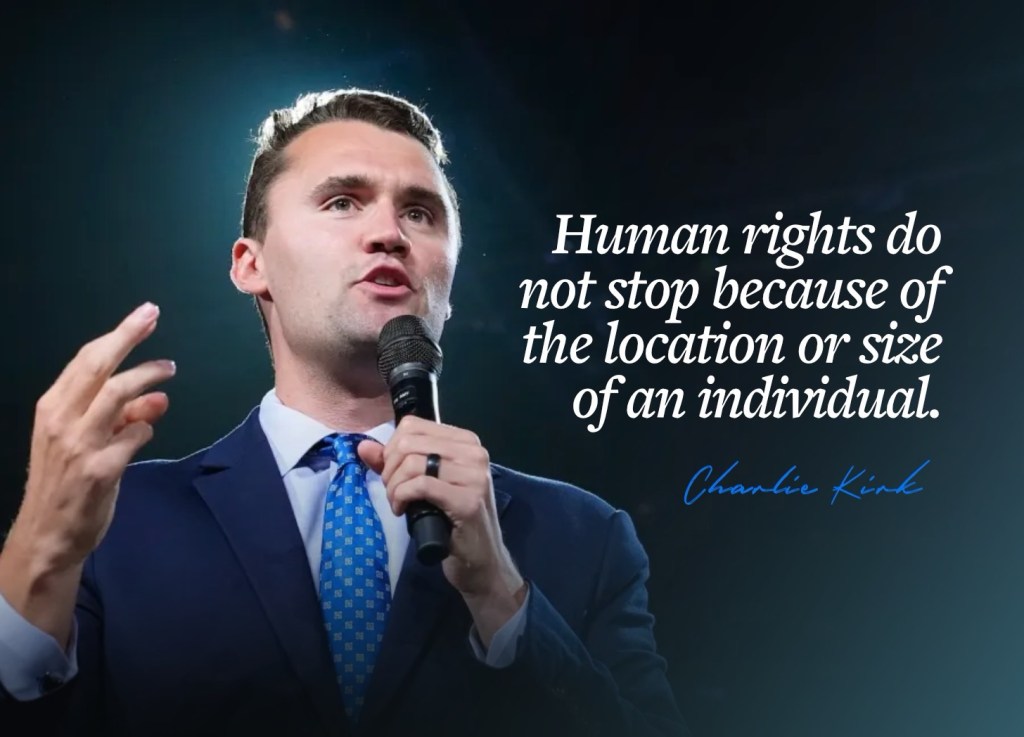
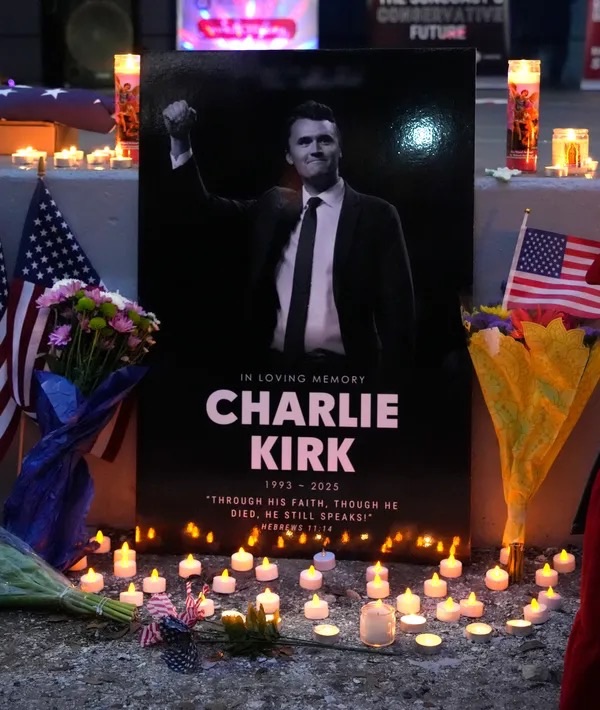
Charlie Kirk and the Culture of Life: A Catholic Reflection

When I first heard Charlie Kirk speak about the value of every human life, I recognized something deeper than politics. Beneath his bold words and unapologetic tone was a conviction that echoed what the Catholic Church has proclaimed for centuries — that every human being is made in the image and likeness of God, and that the measure of a society is how it treats its most vulnerable.

Charlie Kirk may not have called himself Catholic for most of his public life, but his message was undeniably rooted in truths that the Church has safeguarded for two thousand years. He spoke often about the sanctity of life, the battle for souls, and the collapse of moral order in a culture that has forgotten God. And in the end, it seems he was on a journey toward the fullness of that truth — one that led him closer to the Catholic faith he so often defended.

A Voice for Life in a Culture of Death

Charlie understood that abortion is not merely a political issue — it’s a spiritual one. He called abortion “the greatest moral crisis of our time” and compared it to a modern holocaust, pointing out how our society justifies the killing of the innocent under the banner of “choice.” His passion for protecting life was not born out of sentimentality, but out of a clear recognition of reality: when a nation legalizes the destruction of its own children, it forfeits its moral authority.

He spoke to students on campuses across North America — places that have become breeding grounds for relativism and Marxist ideology — and he dared to challenge the lies they had been taught. He confronted them with truth, often with facts, always with conviction. He didn’t shy away from uncomfortable conversations. Instead, he stepped directly into them, reminding young people that the worth of a human life is not up for debate, and that real freedom is found not in doing whatever we want, but in doing what is right.

The Roots of a Catholic Heart

Toward the end of his life, several close to Charlie shared that he had been deeply drawn to the Catholic Church. He had spoken of his admiration for Mary, the saints, and the Church’s unbroken teaching on moral truth. That longing makes sense — because once a person begins to search for the fullness of truth, the path inevitably leads home to the Church Christ founded.

The pro-life cause, at its heart, is not about politics. It’s about the Gospel — the good news that every human being is sacred, that suffering has meaning, and that death does not have the final word. Charlie’s message, though often expressed in the language of activism, pointed toward these eternal truths. And for that, many Catholics — myself included — saw him as an ally in the battle for life and truth.

Confronting the Lies of Communism and the Culture of Death

Kirk often spoke of what he called the “culture of death” — a worldview that flows from atheism, materialism, and the false promises of communism. He recognized that Marxist ideology, in all its modern disguises, seeks to erase God, redefine morality, and pit people against one another. When the soul of a nation is corrupted by this kind of thinking, the dignity of the human person is the first casualty.

Communism tells us that human beings are merely economic units. Modern progressivism tells us that identity is self-invented. Both lead to despair. Charlie’s antidote was simple and profoundly Christian: reclaim truth. He urged young people to stand firm in the belief that life is sacred, that truth is objective, and that courage is contagious. Whether he realized it or not, he was echoing Pope John Paul II’s call to “be not afraid.”

A Legacy that Points to Heaven

In a world that rewards silence and punishes conviction, Charlie Kirk dared to speak. He didn’t always say it perfectly — few of us do — but he said it when it mattered most. And he reminded a generation drowning in confusion that there is still such a thing as good and evil, right and wrong, life and death.

For those of us in the pro-life movement, his courage should stir something within us. If Charlie — a young man who spent his life challenging lies on college campuses — could take the hits and keep speaking truth, then so can we. Our mission is not just to win arguments, but to win souls. And if Charlie’s journey truly was drawing him closer to the heart of the Catholic faith before his death, then perhaps his greatest work had only just begun.

May we honor his legacy not by merely remembering his words, but by living them — boldly, faithfully, and without compromise.

“Do not be overcome by evil, but overcome evil with good.” — Romans 12:21


Author’s Note

As a Catholic speaker and post-abortive advocate, I share Charlie’s conviction that truth must be spoken — especially when it’s unpopular. Like him, I believe that reclaiming a culture of life begins with courage: the courage to love, to forgive, to defend the innocent, and to confront evil with grace. My mission through Elizabeth Speaks Truth is to help others see that God’s mercy is greater than our sin, and that no one is beyond His healing.

From silence to strength — I speak so others know they’re not alone.

— Elizabeth Sutcliffe
Catholic Speaker | Post-Abortive Advocate | Pro-Life Educator
elizabethspeakstruth.com

📊 What the Latest Research Says About Abortion and Long-Term Mental Health

By Elizabeth Sutcliffe | Catholic Speaker | Post-Abortive Advocate | Pro-Life Educator

A groundbreaking new study out of Quebec is shedding light on an issue many of us in the pro-life and post-abortion healing community have long known through experience and testimony: abortion can leave deep and lasting mental health scars.

Published in 2025, this large-scale cohort study followed over 1.2 million pregnancies in Quebec hospitals from 2006 to 2022. The researchers specifically compared women who had an induced abortion to those who carried their pregnancies to birth or stillbirth. What they found is both sobering and validating.


📉 Key Findings at a Glance

  • Women who had an abortion were nearly twice as likely to be hospitalized for any mental health condition.
  • The risk was even higher for:
    • Substance use disorders: 2.5x greater risk
    • Suicide attempts: 2.1x greater risk
    • Psychiatric disorders (depression, anxiety, personality disorders): 1.8x greater risk
  • The greatest risk occurred in the first 5 years following an abortion.
  • Young women under 25 and those with preexisting mental health struggles were most vulnerable.
  • Risks gradually declined over time—but even up to 17 years later, some risks (especially substance use) remained elevated.

🧠 Why Does This Matter?

This study is the largest and longest of its kind in North America, offering 17 years of data and over 11 million person-years of follow-up. Unlike earlier studies limited to short-term outcomes or small sample sizes, this research confirms a consistent and measurable association between abortion and serious mental health struggles—especially when preexisting vulnerabilities are present.

While the study does not claim causation, it reinforces that abortion often intersects with complex emotional, psychological, and social factors, and may intensify existing mental health conditions or trigger new ones.


🧒 Young Women at Higher Risk

Notably, women under 25 who had abortions faced up to 2.75 times the risk of later mental health hospitalizations compared to those who gave birth. This highlights a critical need for better support and screening—especially for young women who may already be facing trauma, isolation, or lack of family stability.


🔄 The Impact of Repeat Abortions and Prior Births

The study also found that women who had previous live births or repeat abortions had higher risks of long-term mental health complications. While the reasons aren’t fully clear, it may reflect the compounded emotional weight of grief, maternal guilt, or unresolved trauma.


🧩 What Can We Do With This Information?

This study offers powerful, data-driven insight that supports what many post-abortive women have bravely shared for years: abortion can hurt. And that pain can last.

But it also offers us a way forward.

Here’s what we can do:

  • Advocate for mental health screenings at abortion clinics and hospitals.
  • Offer compassionate, nonjudgmental support to women who are post-abortive—especially in the early years after abortion.
  • Provide resources for healing: post-abortion counseling, retreats, spiritual support, and community.
  • Educate the public, our churches, and young people about the full picture—not just physical outcomes, but emotional and spiritual ones too.
  • Empower women with alternatives to abortion that affirm their dignity, their motherhood, and their mental well-being.

🤍 A Word From My Heart

As someone who has walked this road personally, I know the internal scars that abortion can leave. This study doesn’t just speak to data—it speaks to lives. To women like me. To stories like mine. To the thousands of women I’ve spoken to over the years who thought they were alone in their pain.

You are not alone. You are not beyond healing. And your story matters.


📚 Source

Auger, N. et al. (2025). Induced abortion and long-term risk of mental health hospitalization: A 17-year cohort study in Quebec. [Journal info here]


✉️ Let’s Talk

If this post has touched you, or if you’re looking for support, healing, or a speaker to share this message of truth and hope, reach out.

📬 Email: info@elizabethspeakstruth.com
🌐 Website: www.ElizabethSpeaksTruth.com
💠 Support My Ministry: Buy Me a Coffee – elizabethspeakstruth

Announcing My Return as BC Representative for Silent No More Awareness Campaign

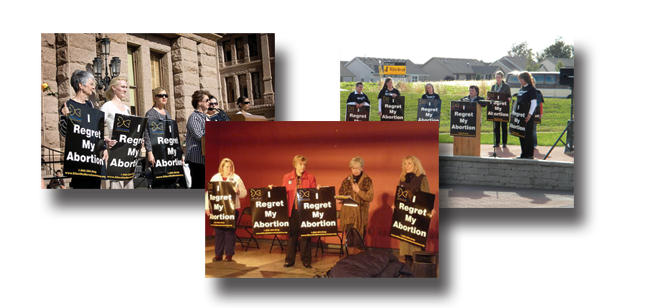
I am grateful and excited to share that I have returned to service as the British Columbia Representative for the Silent No More Awareness Campaign (SNMAC).

Silent No More is a worldwide movement where women and men share their personal testimonies about the reality of abortion and the healing that is possible in Christ. Over the years, I have spoken to thousands of people across Canada and the United States about my own experience and the mercy and hope I found through faith.

In this renewed role, I will:

  • Coordinate Silent No More witness events throughout British Columbia,
  • Share my testimony in parishes, schools, and public forums,
  • Provide referrals to post-abortion healing resources, and
  • Partner with Catholic parishes, pregnancy centres, and pro-life organizations.

This mission is close to my heart because I know firsthand the pain and silence so many carry after abortion. My desire is to break that silence so others may know they are not alone — there is truth, there is healing, and there is hope.

I am honored to serve as both an approved diocesan speaker and a member of the Catholic Speakers Organization, which allows me to connect with churches, schools, and organizations throughout the province.

📎 Resource for Parishes: I’ve also prepared a short bulletin announcement that can easily be added to parish newsletters. If your parish would like to share this resource, please feel free to reach out.

🙏 Thank you for your prayers and support as I step back into this important work. I look forward to collaborating with many of you to build a stronger culture of life here in British Columbia.

☕ If you would like to support my ministry and help me continue this work, you can do so through Buy Me a Coffee. Every gift makes a difference.

➡️ To learn more about my testimony and speaking topics, please visit www.ElizabethSpeaksTruth.com

We Mourn Together: The Church Family in Times of Tragedy

Today our Catholic family weeps. In Minneapolis, young children gathered with their classmates and teachers to begin the school year with the Holy Mass—a place of prayer, peace, and joy. Instead, violence broke through stained glass, and innocent lives were taken.

As Catholics, we know that when one member of the Body suffers, all suffer together (1 Cor. 12:26). We are not strangers bound only by geography—we are family in Christ. These children are our children. Their parents are our brothers and sisters. Their pain is our pain.

Mourning with Hope

It is natural to grieve deeply, to feel anger, confusion, and sorrow at such senseless violence. Yet our mourning is not without hope. These precious ones were taken from us while in prayer. They died in the house of God, at the foot of His altar. We can be confident that Christ Himself gathered them tenderly into His arms, saying: “Let the little children come to Me, for to such belongs the kingdom of heaven” (Mt. 19:14).

In this sense, we recognize them as martyrs of innocence, whose lives were ended for no reason other than the hatred and darkness present in the world. Heaven now receives them as saints. While the world may remember them as victims, we in the Church proclaim them as intercessors—holy souls who now stand before God’s throne and pray for us.

United in Prayer

Let us not forget: every Rosary prayed, every Mass offered, every tear shed in faith becomes part of the healing God brings to His people. We are called to lift up the families, the parish community, and all who are wounded in body and soul. We entrust them to Our Lady of Sorrows, who knows what it is to weep at the death of her innocent Son.

Called to Greater Love

In moments like these, we may feel powerless. But our response as Catholics must be to love more deeply—to cling more closely to Christ, to pray more earnestly for peace, and to support one another as family. Evil will never have the final word. The Cross looked like defeat, but it was the place of victory. So too in this tragedy, Christ promises resurrection.

Closing Prayer

Eternal Father, we entrust to You the souls of the children who died in Your house. Receive them into the joy of heaven, and let their prayers strengthen the Church on earth. Console their families, heal the wounded, and deepen our unity as Your family. Through Christ our Lord. Amen.

Our family mourns, but we do not mourn alone. And we do not mourn without hope.

🎙️ Coming Soon: Elizabeth Speaks Truth Podcast

I’m excited to share some wonderful news! I’ll soon be launching my own podcast: Elizabeth Speaks Truth.

This podcast is designed to give a platform to the voices we need most right now—faithful Catholics, pro-life leaders, and everyday people with powerful testimonies of faith, courage, and hope. My own story will be part of the journey, but the focus will be on sharing the wisdom, experiences, and truth of others who are building a culture of life in Canada and beyond.

✨ What You’ll Hear on Elizabeth Speaks Truth

In-depth interviews with friends and colleagues in the Catholic Church and pro-life movement Testimonies of healing, courage, and the impact of saying “yes” to life Candid conversations about the challenges facing Catholics today Practical insights and encouragement for living out our faith boldly in the public square

💡 A Special Collaboration

Alongside my new podcast, I’m also excited to announce a monthly collaboration with Traditional Urban Catholic called Warriors for Life.

In this series, we’ll take on some of the biggest questions of our time from a Catholic perspective. Our very first conversation will tackle this powerful question:

👉 Can you be Catholic and pro-choice?

🚀 Join the Journey

The official launch of Elizabeth Speaks Truth is just around the corner. Here’s how you can be part of it from the start:

🔔 Subscribe to my newsletter for updates and the launch date

🙏 Pray for this mission as we prepare to step out in faith

📢 Share this news with friends who are searching for truth, healing, and hope

This isn’t just a podcast—it’s a mission. Through Elizabeth Speaks Truth and Warriors for Life, I want to help amplify voices of truth, equip Catholics with clarity and courage, and inspire a new generation of pro-life warriors.

Together, let’s rise as Warriors for Life. 💪✝️

From Silence to Strength: My Interview with The Urban Catholic

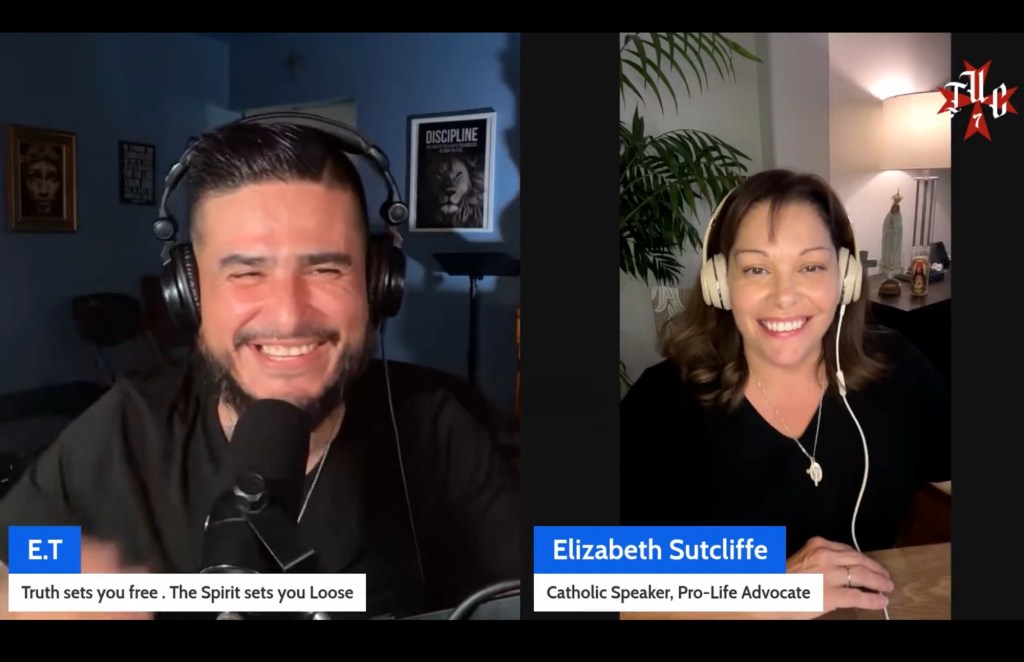
I’m excited to share my recent interview on The Urban Catholic with Eric, where we delved deep into my personal testimony, pro-life advocacy, and journey of healing after abortion. This heartfelt and honest conversation covers topics close to my heart, including my own experience, the role of faith and grace in healing, and how my journey led me to launch my ministry, Elizabeth Speaks Truth.

Watch the full interview here

In this interview, we discuss:

  • My personal abortion story and discovering the truth behind medical abortion practices in Canada.
  • How the Catholic Church opened its doors to me, offering compassion, healing, and a renewed purpose.
  • Practical advice and spiritual insights for those seeking healing or supporting others impacted by abortion.

I invite you to watch this impactful conversation and encourage you to share it with others who may benefit from this message of hope, mercy, and truth.

Blessings,

Elizabeth

MY ABORTION PROVIDER CLOSED PERMANENTLY

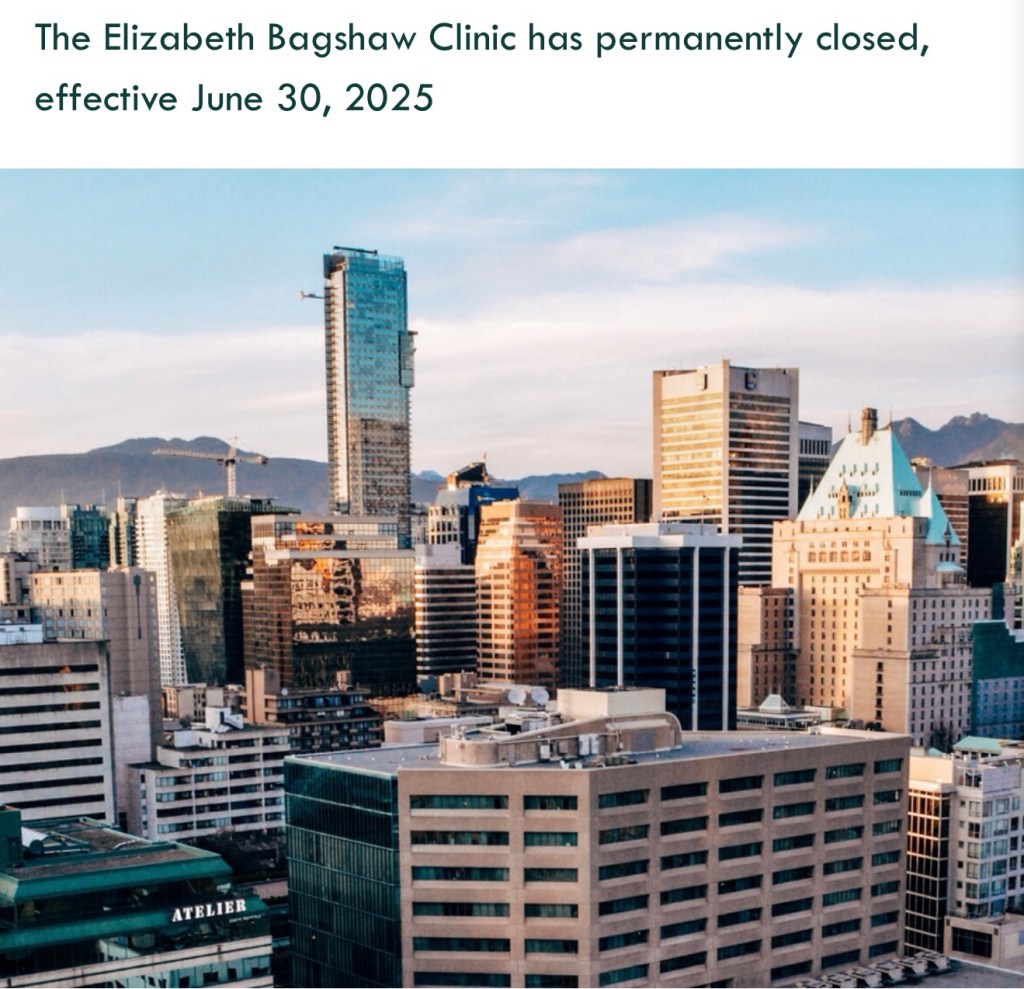
On June 30, 2025, the Elizabeth Bagshaw Clinic in Vancouver—the very clinic where I had my abortion—closed its doors for good.

When I saw the announcement, I felt a wave of emotion. For decades, this clinic was one of the busiest abortion facilities in British Columbia. But now it’s gone.

As someone who has lived through the pain of abortion and found healing, I can’t help but ask: What does this really mean for women, for families, and for our culture?

A Sign of Changing Hearts?

I want to believe this is a sign of hope. Maybe, just maybe, people are beginning to understand the deep and lasting wounds abortion leaves behind—not just for women, but for men, families, and society as a whole.

Post-abortive women and men are speaking out more than ever, sharing their stories of regret, loss, and redemption. The truth about abortion’s emotional, physical, and spiritual consequences can only stay hidden for so long. Could this be the beginning of hearts changing?

Or Just a Shift in Strategy?

But we have to be honest:

The abortion pill is now widely available. Women can get it from family doctors or even by mail. Hospitals across BC provide abortions as part of “routine care.” The clinic itself cited funding issues and a shift toward a centralized provincial healthcare model as reasons for closing.

So is this really a cultural shift toward life—or is abortion simply being pushed deeper into the medical system, out of sight but not gone?

The Real Work Ahead

Yes, I rejoice that this clinic has closed. But the real victory won’t come through closures alone.

It will come when:

✅ Women in crisis feel supported and loved enough to choose life

✅ Men take responsibility and stand up for their children

✅ Our culture no longer sees abortion as a solution, but as unthinkable

The true battle is for hearts and minds. Every time a woman chooses life, every time a post-abortive parent finds healing, God wins another victory.

Hope for the Future

I am living proof that God’s mercy can redeem even the deepest wounds. My healing journey is why I speak out—so no woman feels as alone as I did walking into that clinic years ago.

The Elizabeth Bagshaw Clinic may have closed, but the work isn’t finished. Our calling is clear: keep speaking truth, keep offering hope, and keep building a culture where every life is valued.

1 Week Away: Join Me at the Mediatrix Pro-Life Conference

Only 7 days to go!

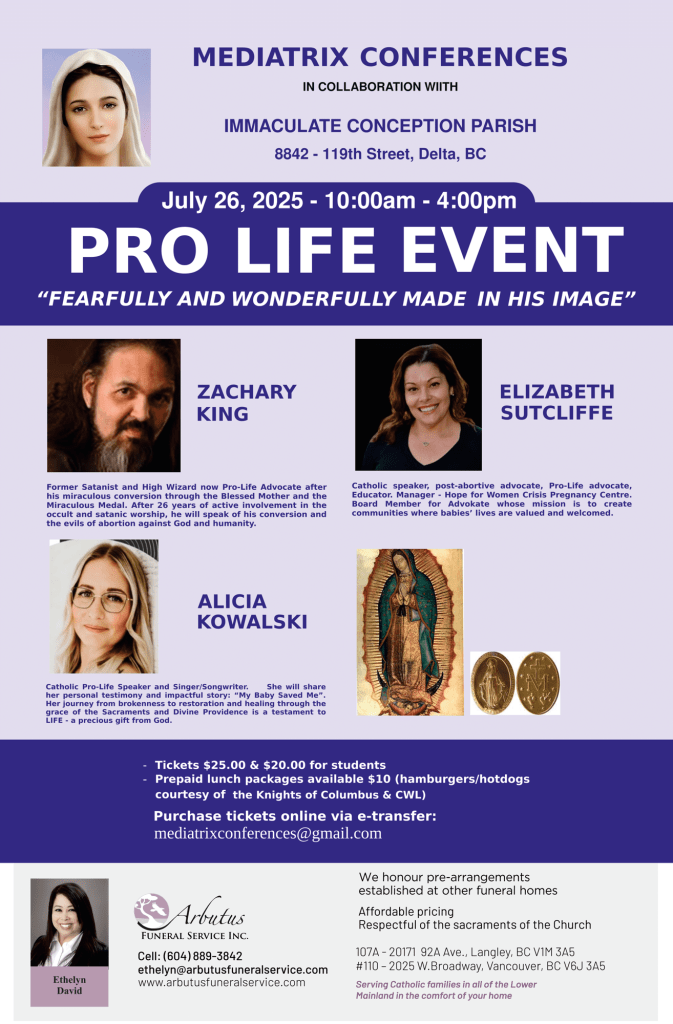
This year’s theme, “Fearfully and Wonderfully Made in His Image,” is close to my heart. I’ll be sharing my testimony of healing after abortion, speaking on God’s mercy and the hope that every life—born and unborn—deserves.

I’m honoured to be a keynote speaker at the upcoming Mediatrix Conferences Pro-Life Event, taking place Saturday, July 26, from 10:00am – 4:00pm at Immaculate Conception Parish in North Delta, BC.

I’ll be joined by other incredible speakers, including:

Zachary King – former satanist turned Catholic evangelist

Alicia Kowalski – passionate pro-life advocate with a powerful story of faith

Whether you’re new to the pro-life movement or looking for encouragement to keep speaking up for life, this day will strengthen your heart, deepen your faith, and equip you for action.

📅 Event Details

✅ Date: Saturday, July 26

✅ Time: 10:00am – 4:00pm

✅ Location: Immaculate Conception Parish, North Delta, BC

🎟 Registration Information: https://mediatrixconferences.com/events/

I’d love to meet you there—please come say hi if you attend!

#FromSilenceToStrength #ElizabethSpeaksTruth #ProLife #CatholicSpeaker #EveryLifeMatters

Abortion Pill Chemicals in Our Water: What You Need to Know

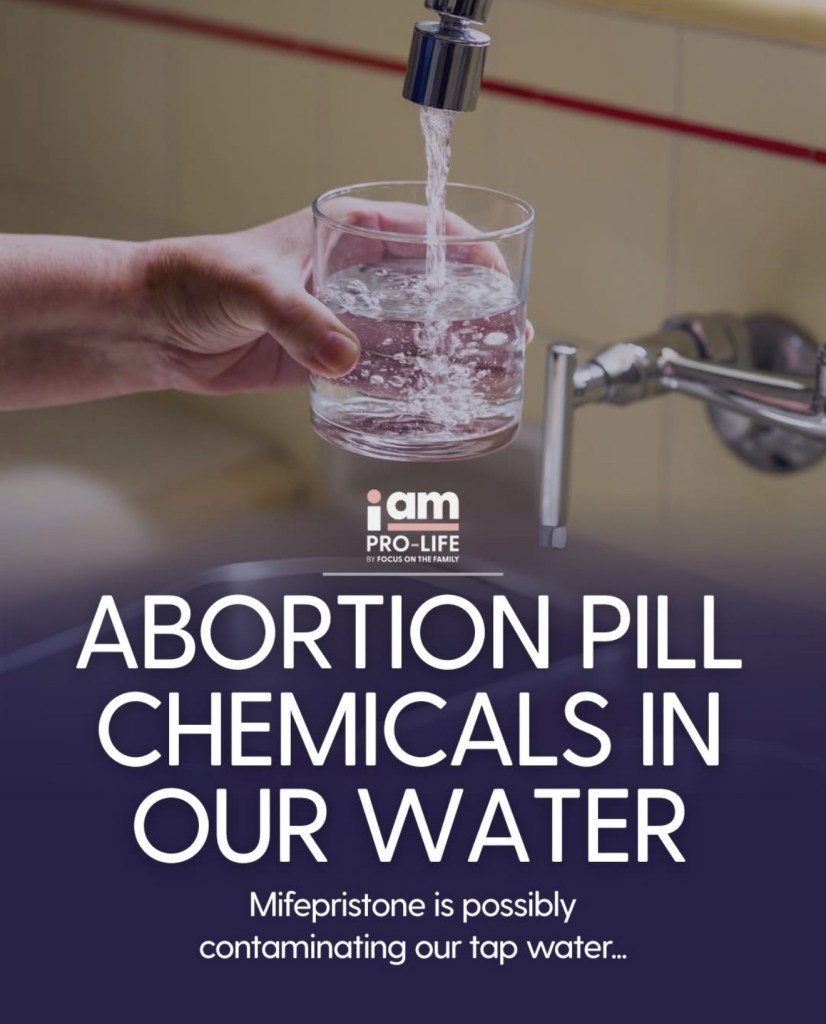
Did you know that the chemicals used in abortion pills—particularly mifepristone—could be making their way into our water supply? As the use of chemical abortions skyrockets, so does the risk of these drugs entering wastewater systems, eventually contaminating rivers, lakes, and even tap water.

This is more than just a pro-life issue—it’s a public health concern. Mifepristone is designed to disrupt pregnancy by blocking progesterone, a vital hormone for sustaining life. What impact could these hormone-blocking chemicals have on the environment, wildlife, and, ultimately, us? No one is asking these questions loudly enough.

This is yet another reminder of how abortion doesn’t just affect a mother and her unborn child. It leaves physical, emotional, and spiritual consequences—and now, potentially, environmental ones as well.

As pro-lifers, we must not only speak out about the injustice of abortion but also raise awareness about these hidden dangers. It’s time to demand transparency, research, and accountability. Our health, our families, and our communities deserve better than chemical pollution in the name of “choice.”

Learn More

FDA Environmental Assessment (1996) – Original environmental assessment of mifepristone.

Sen. Lankford’s Call for Updated EPA Review – U.S. lawmakers urging investigation.

Politico: Abortion Pill and Environmental Law – Discussion on growing environmental concerns.

PolitiFact Fact-Check – Experts weigh in on what’s known (and unknown) about risks.

Washington Examiner Report – On wastewater treatment and trace contamination.

Take Action

✅ Pray for a culture that values life and protects creation.

✅ Share this article to help others understand the hidden costs of chemical abortion.

✅ Speak up—contact your local representatives and ask for updated research and stricter environmental safeguards.

Together, we can defend life and protect the world we live in.