“Choose life, then, that you and your descendants may live.” — Deuteronomy 30:19
Canada has reached a moral crossroads. What began as legislation to end “unbearable suffering” through assisted suicide is now being intertwined with organ donation — turning death itself into a supply chain for the living.
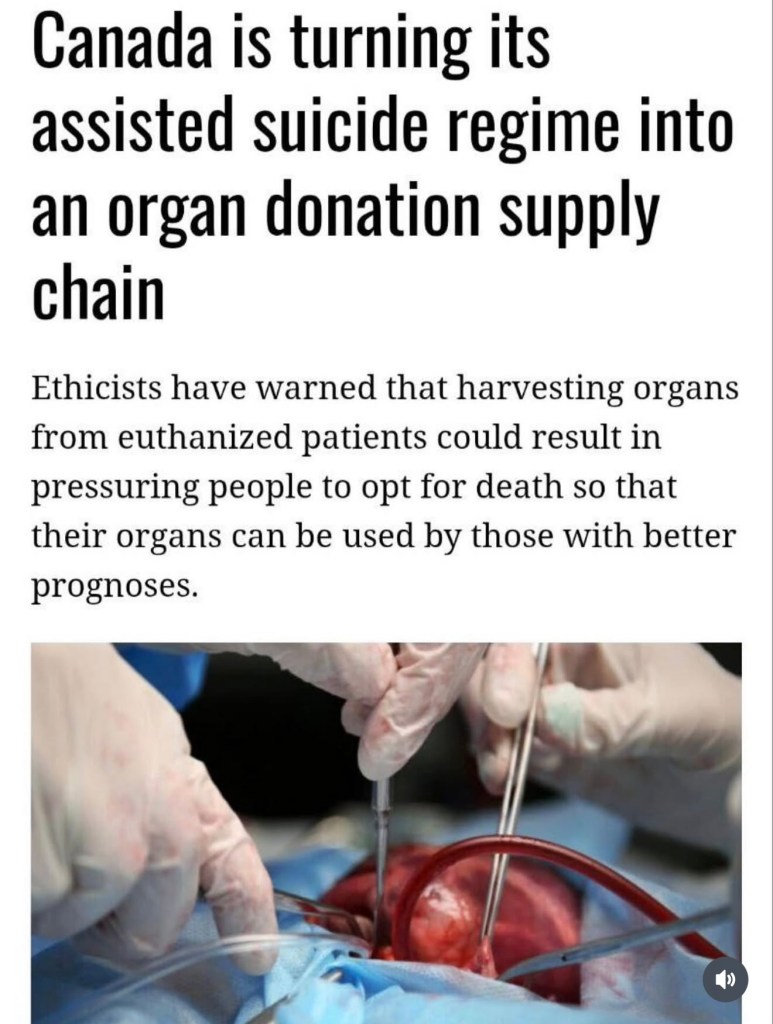
Across the country, more Canadians who choose Medical Assistance in Dying (MAiD) are also donating their organs. According to national transplant data, Canada now leads the world in organ donations that follow euthanasia. Quebec alone has reported that up to 8 percent of its total organ donors in recent years were euthanized patients.
At first glance, this may sound noble — the idea that one person’s death could give life to another. But beneath the surface lies a deeply troubling ethical and spiritual reality.
When “Choice” Becomes Pressure
Proponents of MAiD argue that this practice simply extends autonomy: if someone freely chooses death, why not allow their final act to help others? But autonomy, when distorted by despair or social expectation, becomes something else entirely.
What happens when the sick, the disabled, or the elderly begin to feel a quiet pressure — that their death would be “useful,” that their organs might “do more good” in someone else’s body than their life could in their own frailty?
This is not freedom. It’s moral coercion wrapped in compassion’s clothing. It’s the voice of the culture of death whispering, “You’re worth more dead than alive.”
A Dangerous Reversal of Values
When society begins to view death as a public service and the body as a commodity, we invert the sacred order God established. Human life ceases to be a divine gift and becomes a utilitarian calculation — a trade between those deemed “productive” and those deemed “expendable.”
From a Christian perspective, every person bears the image of God from conception until natural death. The commandment “Thou shalt not kill” does not come with an asterisk for convenience or compassion. To end life deliberately, even with consent, and then to harvest organs from that act, crosses a line that cannot be easily uncrossed.
The Slippery Slope Has Become a Highway
When MAiD was first introduced in 2016, it was meant for terminally ill adults whose deaths were “reasonably foreseeable.” By 2021, Bill C-7 expanded it to those whose deaths were not imminent. Now, legislators are debating whether those with mental illness should also qualify.
With each expansion, the rationale widens — and so does the pool of potential organ donors. What began as a tragic exception is fast becoming a normalized pathway, and that normalization threatens the conscience of an entire nation.
The Forgotten Option: Accompaniment, Not Abandonment
Many who request euthanasia are not crying for death; they are crying for help — for relief from pain, loneliness, or fear. True compassion does not eliminate the sufferer; it accompanies them through their suffering.
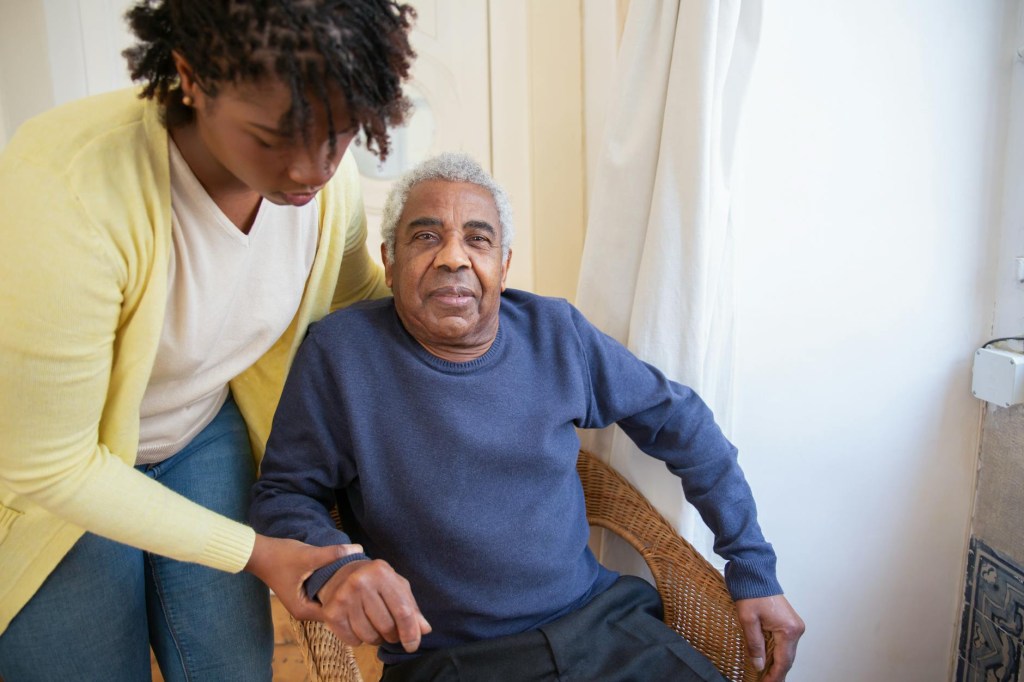
In every hospice room, hospital bed, or nursing home, there lies a sacred opportunity: to affirm the dignity of the person, to provide palliative care, to pray, and to witness to the love of Christ who meets us in our agony.
If Canada invested as heavily in palliative care as it has in expanding assisted suicide, how many hearts might rediscover hope?
A Call to the Faithful
This moment demands courage from the Church. We must be willing to speak truth with love — not out of judgment, but out of fidelity to the Gospel of Life.
- Educate your parish and community about the moral implications of MAiD and organ harvesting.
- Advocate for life-affirming care and ethical medical policy.
- Accompany the suffering with compassion, prayer, and presence.
- Proclaim that every breath of life — even in suffering — has infinite worth before God.
Redeeming the Narrative
Organ donation, when freely chosen after natural death, is a profound act of love. But when it is tethered to a system that deliberately ends life, it becomes something else — a transaction born of despair, not hope.
The real measure of a compassionate society is not how efficiently it manages death, but how faithfully it upholds life.
May Canada remember the words of Our Lord: “Whatever you did for one of the least of these brothers and sisters of mine, you did for me.” (Matthew 25:40)
And may we, as people of faith, never grow silent when life itself is on the line.
Citations:
- Catholic News Agency, “Euthanasia Increases Organ Donations in Canada Amid Ethical Concerns”
- National Post, “Ethicists Warn Organ Donation May Pressure MAiD Patients”
- Lifesite News, “Canada’s Organ Donation System Now Linked to Euthanasia”
- Journal of the American Transplantation Society (2024): Organ Procurement After MAiD
About the Author
Elizabeth Sutcliffe is a Catholic speaker, post-abortive advocate, and pro-life educator. Through her ministry, Elizabeth Speaks Truth, she shares her testimony of healing and hope after abortion, offering a compassionate message rooted in faith, mercy, and the sanctity of every human life. Elizabeth has spoken to thousands across Canada and the United States, inspiring audiences to choose life, rediscover faith, and find healing in Christ.
Connect with Elizabeth and explore her socials, latest talks, workshops, videos, and podcast episodes through her Linktree:
👉 linktr.ee/ElizabethSpeaksTruth
 Elizabeth Sutcliffe